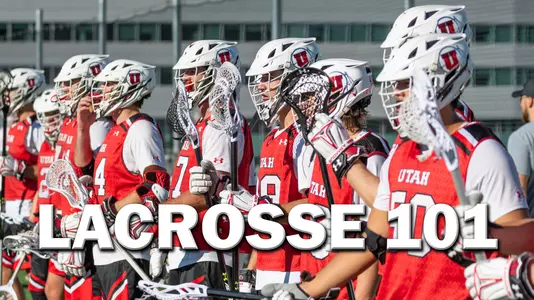
Lacrosse 101
1/29/2019 10:14 AM | Lacrosse
Often called the fastest game on two feet, lacrosse has elements of hockey, basketball, soccer and football all rolled into one sport.
Lacrosse was originally played by the Native Americans. To quote the Iroquois Nationals Lacrosse website, 'Lacrosse was a gift to us from the Creator, to be played for his enjoyment and as a medicine game for healing the people.' Among its purposes included settling disputes and training young men for battle as well as comradery and recreation. The word 'lacrosse' was coined in the 1600's by French missionaries.
The game is four periods of 15 minutes each (60 minutes). There is an 80 second shot clock for controlling possession. Overtimes are sudden victory with periods of four minutes each. Goalkeepers change sides at the end of each period.
The playing field is 110 yards long and 60 yards wide and is divided into three parts. Goals are six feet wide and six feet high. The goals sit in the center of a goal crease, which no attacking player can enter. A player can make a diving shot from outside the crease and land in the goal crease (this is also referred to as a 'crease dive').

Ten players from each team are on the field at one time. Three players from each team must always be in its offensive third of the field and four players from each team must always be in its defensive third of the field. Players play one of several positions – attack, midfield, defense and goalkeeper. Players use one of three different types of sticks – short stick, long stick (or 'pole') and goalkeeper stick. Substitutions can happen during live-ball play.
Attack: Responsibility is to score goals and create offense. Use a short stick (40-42 inches, including the head).
Midfield: Plays both offense and defense. Important in transition from one end of the field to the other. Will carry either a long (52-72 inches, including the head) or short stick. A subset of the position is the long stick midfielder, generally considered one of the most versatile athletes on the team. Another subset includes the face off specialist (continue below for more on face offs).
Defense: Prevent the other team from scoring, create turnovers and collect ground balls. Will carry either a long or short stick. Teams can have four poles on the field at one time.
Goalkeeper: Responsible for stopping shots and directing the defense. Goalkeeper sticks are 40-72 inches with a head that is significantly larger than the other sticks on the field (10-12 inches wide).

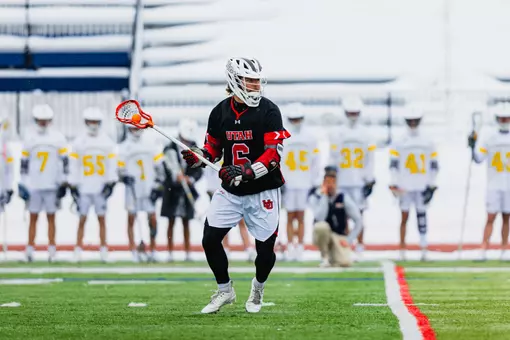
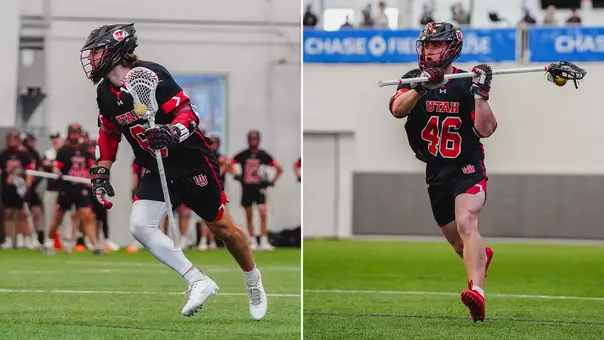
Lacrosse is a physical game with players wearing a helmet, gloves, shoulder and elbow pads. Goalkeepers also wear a chest and throat protector.
The ball can be carried, thrown, rolled or kicked. Players carry the ball by cradling - rocking the stick back and forth – to help keep it in the pocket of their stick. Balls are generally white but can be yellow, orange, green or pink.
Play begins with a face off. Two players (one from each team) place their sticks on the ground perpendicular to each other and the referee places the ball between the heads. When the whistle blows, each player will attempt to gain possession of the ball for their team.

Fouls and penalties can be awarded and teams can go 'man up' or 'man down.' Technical fouls (holding, illegal screen, offside, etc.) can include penalties of a turnover or 30 second suspension. Personal fouls (illegal body checking, slashing, cross checking, etc.) can carry penalties between one and three minutes. If a foul is committed on a goal-scoring play, the goal will still count if it's a minor foul.
The game can be played in any weather but lightning.
Other versions of the game include women's lacrosse and box lacrosse. Women's lacrosse is not as physical as the men's game (women do not wear padding, only eye guards, and their sticks are strung differently) while box lacrosse is an indoor version of the men's game that is smaller, faster and more physical than outdoor lacrosse.
Want to see lacrosse in action? Check out this video, which also explains some professional rules.
Lacrosse was originally played by the Native Americans. To quote the Iroquois Nationals Lacrosse website, 'Lacrosse was a gift to us from the Creator, to be played for his enjoyment and as a medicine game for healing the people.' Among its purposes included settling disputes and training young men for battle as well as comradery and recreation. The word 'lacrosse' was coined in the 1600's by French missionaries.
The game is four periods of 15 minutes each (60 minutes). There is an 80 second shot clock for controlling possession. Overtimes are sudden victory with periods of four minutes each. Goalkeepers change sides at the end of each period.
The playing field is 110 yards long and 60 yards wide and is divided into three parts. Goals are six feet wide and six feet high. The goals sit in the center of a goal crease, which no attacking player can enter. A player can make a diving shot from outside the crease and land in the goal crease (this is also referred to as a 'crease dive').
Ten players from each team are on the field at one time. Three players from each team must always be in its offensive third of the field and four players from each team must always be in its defensive third of the field. Players play one of several positions – attack, midfield, defense and goalkeeper. Players use one of three different types of sticks – short stick, long stick (or 'pole') and goalkeeper stick. Substitutions can happen during live-ball play.
Attack: Responsibility is to score goals and create offense. Use a short stick (40-42 inches, including the head).
Midfield: Plays both offense and defense. Important in transition from one end of the field to the other. Will carry either a long (52-72 inches, including the head) or short stick. A subset of the position is the long stick midfielder, generally considered one of the most versatile athletes on the team. Another subset includes the face off specialist (continue below for more on face offs).
Defense: Prevent the other team from scoring, create turnovers and collect ground balls. Will carry either a long or short stick. Teams can have four poles on the field at one time.
Goalkeeper: Responsible for stopping shots and directing the defense. Goalkeeper sticks are 40-72 inches with a head that is significantly larger than the other sticks on the field (10-12 inches wide).
Lacrosse is a physical game with players wearing a helmet, gloves, shoulder and elbow pads. Goalkeepers also wear a chest and throat protector.
The ball can be carried, thrown, rolled or kicked. Players carry the ball by cradling - rocking the stick back and forth – to help keep it in the pocket of their stick. Balls are generally white but can be yellow, orange, green or pink.
Play begins with a face off. Two players (one from each team) place their sticks on the ground perpendicular to each other and the referee places the ball between the heads. When the whistle blows, each player will attempt to gain possession of the ball for their team.
Fouls and penalties can be awarded and teams can go 'man up' or 'man down.' Technical fouls (holding, illegal screen, offside, etc.) can include penalties of a turnover or 30 second suspension. Personal fouls (illegal body checking, slashing, cross checking, etc.) can carry penalties between one and three minutes. If a foul is committed on a goal-scoring play, the goal will still count if it's a minor foul.
The game can be played in any weather but lightning.
Other versions of the game include women's lacrosse and box lacrosse. Women's lacrosse is not as physical as the men's game (women do not wear padding, only eye guards, and their sticks are strung differently) while box lacrosse is an indoor version of the men's game that is smaller, faster and more physical than outdoor lacrosse.
Want to see lacrosse in action? Check out this video, which also explains some professional rules.


No videos available.